AI Startups Are Choosing Webflow. Here’s Why.

For AI startups, the website has become a core part of go-to-market execution. It is where complex products are explained, positioning is refined, and early adoption momentum is created.
At Peppermint, we work with AI infrastructure companies, developer tooling teams, and technical SaaS startups at different growth stages. Across these engagements, we’ve observed a consistent pattern: the companies that move fastest treat their website as a growth system rather than a publishing tool.
This shift is one of the reasons many modern AI teams are choosing Webflow.

Legacy CMS Dominance Reflects the Past, Not the Execution Model of AI Companies
WordPress continues to dominate the CMS landscape.
43% of all websites globally run on WordPress
Source: https://w3techs.com/technologies/overview/content_management
This scale reflects historical adoption patterns. It does not necessarily reflect the needs of companies operating in fast-moving technical markets.
AI startups are not optimizing for publishing flexibility.
They are optimizing for execution velocity and narrative precision.
As products evolve weekly, the website must evolve with the same cadence. Infrastructure that introduces friction in iteration cycles becomes a strategic constraint.

Performance Has Become Part of Product Perception
In AI categories, users evaluate not only product capability but also clarity and responsiveness. Performance signals increasingly shape trust.
A 1-second improvement in load time can increase conversion rates by up to 20%
Source: https://web.dev/vitals/
This makes performance not just a technical metric, but a growth variable.
Modern visual development platforms enable teams to maintain performance discipline without building internal optimization workflows. This allows founders and marketing teams to focus on positioning and product storytelling rather than infrastructure tuning.
Security Risk Scales With Ecosystem Complexity
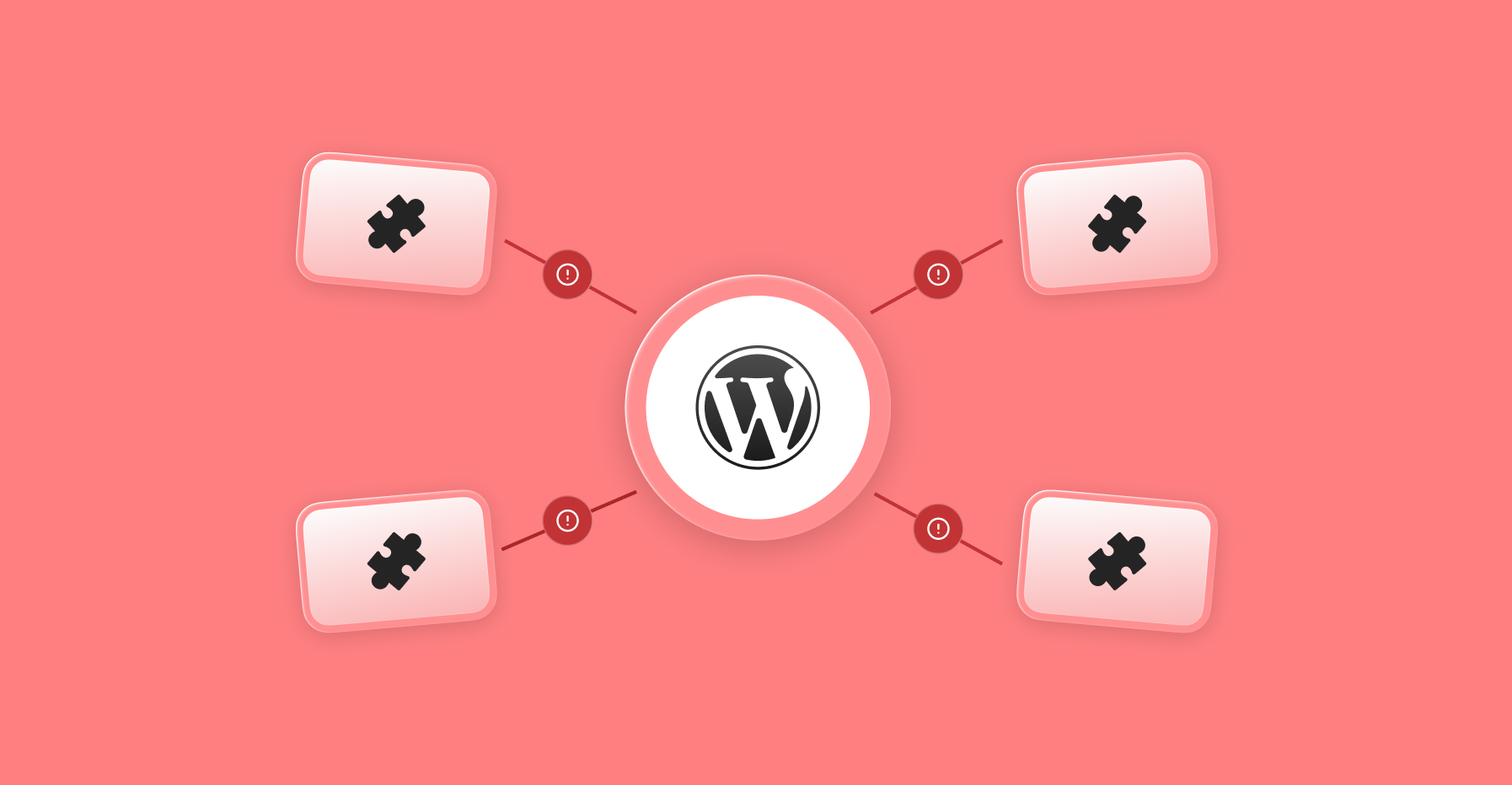
Extensible CMS ecosystems provide flexibility, but they also expand operational exposure.
Over 90% of WordPress vulnerabilities originate from plugins
Source: https://wpscan.com/statistics
For early-stage AI startups without dedicated platform engineering teams, minimizing attack surface often matters more than maximizing extensibility.
Simplifying infrastructure reduces both risk and operational overhead, enabling teams to allocate resources toward product development and market expansion.

Modern Web Infrastructure Operates at Global Scale
Today’s web performance landscape is shaped by large-scale delivery networks and optimized infrastructure layers.
Cloudflare’s network handles around 20% of global internet traffic
Source: https://radar.cloudflare.com/
This reflects a broader shift toward managed performance environments where delivery optimization is built into the platform rather than layered on afterward.
For AI startups, adopting infrastructure aligned with modern delivery standards reduces friction in scaling digital presence.
Why Visual Development Aligns With AI Execution Models
AI startups operate with continuous iteration cycles.
They refine positioning frequently.
They launch new feature narratives rapidly.
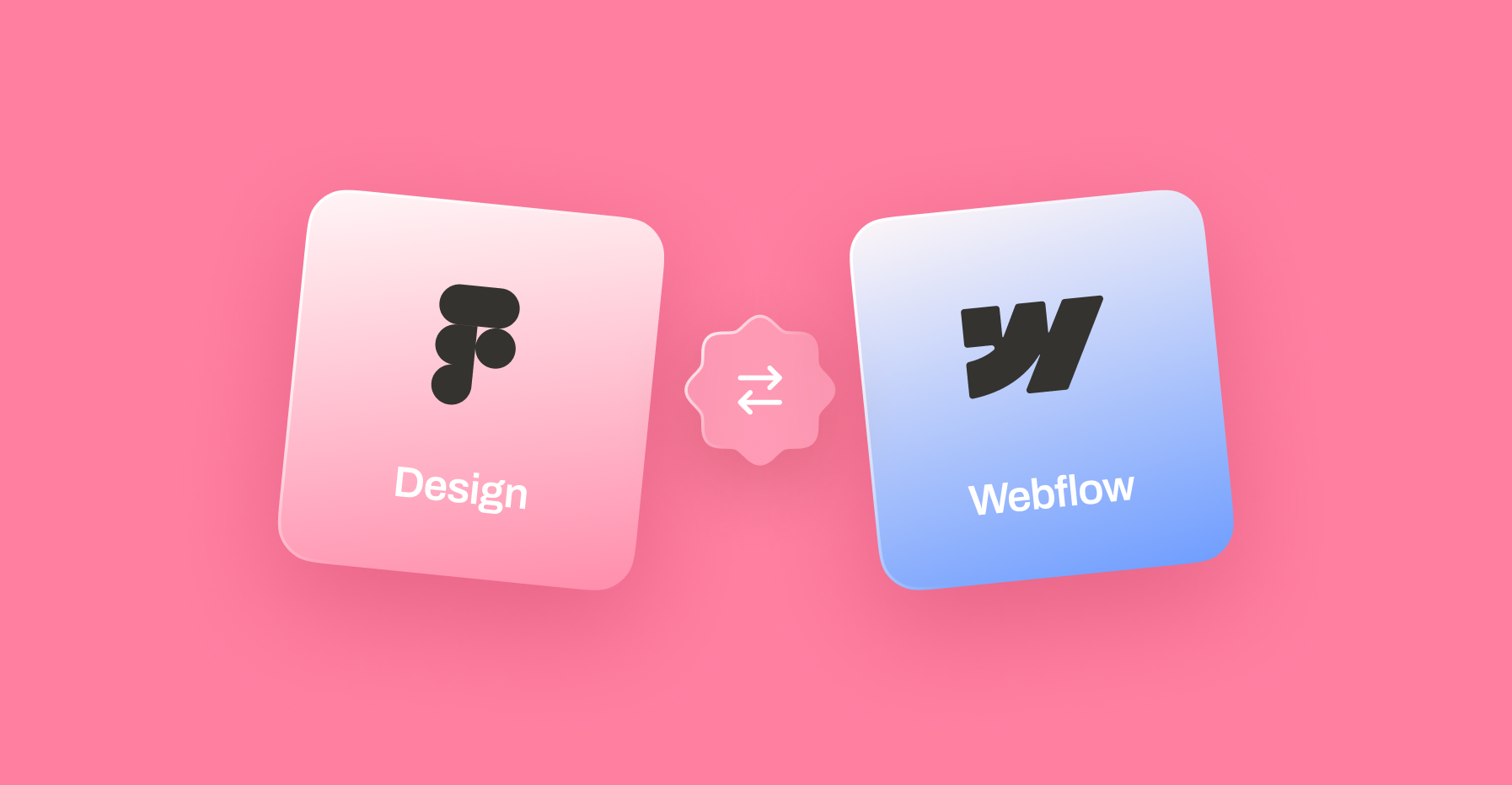
Traditional CMS workflows were designed for structured publishing environments. Modern visual development platforms, by contrast, enable design-system driven execution where marketing, product, and design teams collaborate directly in production environments.
From our perspective at Peppermint, this alignment between design intent and production implementation is one of the most significant enablers of growth clarity in technical markets.
The Emerging Pattern Across AI Companies
Across the AI ecosystem, founders are redefining how they approach digital infrastructure.
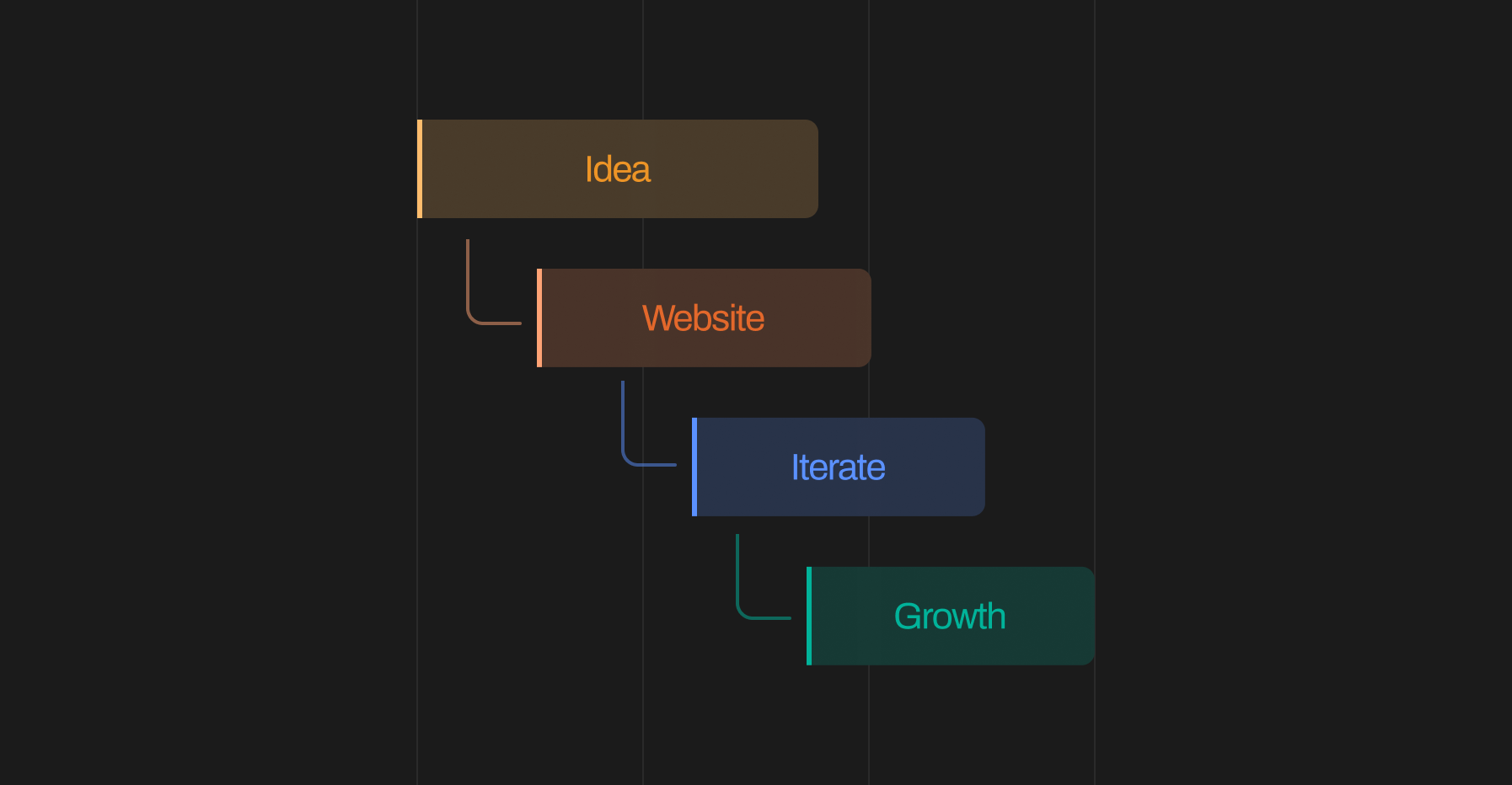
Websites are no longer treated as marketing deliverables completed at launch. They are treated as evolving systems that support product education, demand generation, and category positioning.
Teams that reduce friction between vision and execution consistently move faster.
They communicate more clearly.
They build stronger growth momentum.
Conclusion: Building Websites as Growth Systems
As AI markets become more competitive, clarity and execution speed increasingly define success.
The shift toward platforms like Webflow reflects a broader transformation in how technical companies structure their growth infrastructure. Rather than relying on fragmented toolchains, founders are choosing environments that enable predictable performance, rapid iteration, and design-led execution.
At Peppermint, we see this not as a tooling trend but as an operational evolution. The startups that treat their website as a core system — rather than a marketing artifact — are often the ones that build stronger narratives, launch faster, and scale more effectively.
In the context of modern AI company building, the question is no longer whether the website matters.
It is whether the infrastructure behind it supports how the company actually operates.